This guide explains how warm and cool rgb tones change the look and feel of a home gaming room.
They show how a simple rgb lighting setup can lower eye strain and make long sessions more comfortable. By mixing red, green, and blue, a player can craft millions of colors that set mood and focus.
Professionals use key light and LED strips to balance brightness and reduce glare. Proper control of lights helps creators produce better videos and photography for their content.
Practical tips on placement, power, and strip effects make it easy to upgrade a desk or wall without a major overhaul. If a page blocked extension appears, try disabling extensions or clearing cache to continue researching options.
Result: a calm, consistent space that improves the gaming experience and enhances the visual look for viewers.
Understanding the Impact of RGB Lighting Setup on Mood
Subtle color choices change how a room feels and how a person appears on camera. By swapping flat white for colored accents, a home gaming room can feel warmer, cooler, or more focused in seconds.
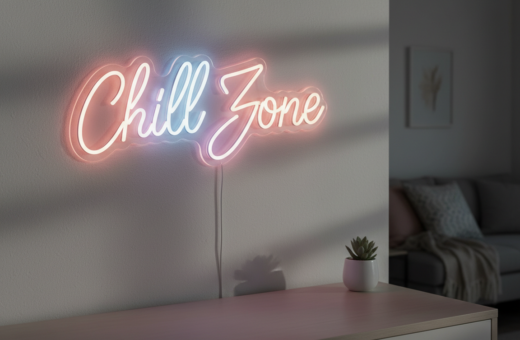
A single rgb light placed against a wall creates a soft glow that separates the streamer from the background. This effect improves the overall look for videos and photography while adding personality to the room.
Control of brightness and color is essential. The key light should remain a natural white light to keep skin tones accurate. Meanwhile, led strips and additional rgb lights create depth and branded effects.
- Use a few strips to set mood without overpowering the camera.
- Balance background colors so the subject stays the focus.
- If a page blocked extension appears, try disabling extensions or your ad-blocker to access guides and downloads.
“Good color control gives creators a clear visual edge.”
The Psychology of Warm and Cool Color Tones
The hues you use around a gaming desk influence calm and focus in subtle ways. Color choice affects mood, perception, and how long someone stays comfortable during play.
The Calming Effect of Cool Blues
Cool blue tones often signal calm or coolness. They make a room feel quieter and can ease stress during long sessions.
Using a few blue rgb lights or a soft led wash on a wall helps create distance between the player and the background. A strip behind the monitor adds a gentle glow that reduces eye strain.
The Inviting Nature of Warm Ambers
Warm ambers between 2500K and 3000K mimic dusk and feel inviting. Setting one key light to a warm orange or yellow creates natural shadows and a cozy mood.
Balance matters: the key light should match ambient color so skin tones stay true. When colors are chosen carefully, the room feels either tranquil or energetic, depending on the goal.
- Led strips washing a wall can change a visitor’s mood quickly.
- If a page blocked extension appears, try disabling extensions or refreshing the page to load guides.
- Use a monitor strip to keep a steady back glow and reduce eye fatigue.
“Color temp and placement do more for comfort than most upgrades.”
Essential Hardware for Your Gaming Space
Choosing the right hardware makes a dramatic difference in how a gaming area feels and performs. This section covers the components players should prioritize to get a stable, professional result.
Selecting LED Strips and Panels
Start with quality strips and panels. Good led products deliver steady color and reduce flicker during long sessions. An rgb light panel provides a wide, soft glow that highlights a background without harsh shadows on the face.
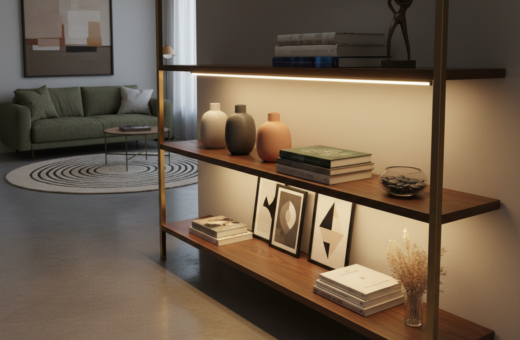
Place strips behind the desk or along the wall to create depth and a clean visual line. Use a few panels to balance intensity so the key light remains the main source for correct skin tones.
- Choose dependable brands for consistent color output.
- Keep power and controllers accessible to avoid interruptions.
- If a page blocked extension appears, try disabling extensions to load driver downloads or guides.
“Investing in reliable hardware is the best way to ensure stable, high-end results.”
Strategic Placement for Professional Results
Positioning each light with intent turns a hobby corner into a polished, camera-ready space.
Utilizing Key Lighting
The key light should be the brightest source and sit slightly above eye level. This highlights the face and keeps skin tones natural when using white light for the subject.
Place the key at a 30 to 45 degree angle from the camera. That angle adds model-like depth without harsh shadows.
Implementing Backlighting for Depth
Use a back light behind the subject to separate them from the wall and add cinematic depth. A single led strip or small panel works well for this.
Keep background rgb lights soft so the camera captures a clear subject and clean contrast.
Adding Fill Light for Balance
A fill light reduces harsh shadows created by the key light. Use a dimmer, a reflector, or a low-power white light placed opposite the key.
Balance all three points—key, back, fill—to create a consistent, professional result for streaming or video.
- Position the camera to match the light angles for a flattering frame.
- If a page blocked extension appears, try disabling extensions to load guides or downloads.
- Check browser security settings if a page blocked notification prevents access to vendor pages.
“Strategic placement is the fastest way to make a small room look like a polished production space.”
Advanced Techniques for Shaping Your Environment
Mastering contrast and hue gives creators precise control over mood and camera presence. Simple changes in shadow and color make a big difference for videos and photography.
Rembrandt produces a small dark triangle on the cheek for a dramatic, classic look. Paramount creates a soft butterfly shadow under the nose for a glamorous, even tone.
Split lighting lights one side of the face and leaves the other in shadow. This method often reads as more masculine and bold on camera.
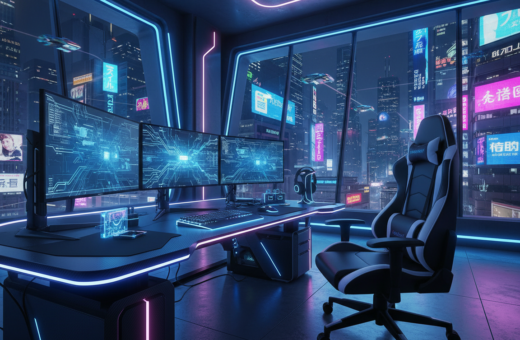
For a modern vibe, using rgb to craft a Cyberpunk palette of hot pink, cyan, and deep purple can transform a home wall into a neon backdrop. A single strip paired with a dimmed key light lets creators tune brightness and power for the exact effect they want.
- Control power and brightness to avoid clipping on camera.
- Experiment with ways of using rgb to define a personal brand.
- If a page blocked extension appears, disable extensions or check browser security to load full guides.
“Shaping your environment with light tells the story behind every stream.”
Troubleshooting Common Lighting Issues
A few simple steps will resolve most inconsistencies in hue and brightness quickly. These checks help maintain a clean, consistent look for every stream and recording.
Managing Brightness and Color Consistency
Start with power. Verify cables and adapters so lights receive steady power. If flicker appears, test outlets and replace loose connectors.
Check the key light first. Ensure its power and color output match session to session to avoid sudden color drift on camera.
- Keep camera settings locked so white balance and exposure remain stable.
- Use scene effects like the police car flash sparingly; it can overwhelm brightness control.
- If a page blocked extension prevents access to guides, try disabling extensions or check browser security to load the page.
Routine maintenance prevents most problems. Clean contacts, tighten mounts, and confirm controller firmware is current.
“Troubleshooting common issues with your RGB lights is the best way to ensure a reliable, professional space.”
For detailed troubleshooting steps, consult this guide on resolving color and flicker.
Conclusion
Conclusion
This final section ties together practical tips to make your gaming area feel calm and camera-ready. It summarizes how selective use of color and a measured approach can improve comfort and on-screen quality.
Key takeaways: start small, test a single light, and expand only after you like the mood. Mastering color control will enhance both the gaming experience and the creator’s content.
If a page blocked extension or blocked extension message appears, try disabling browser add-ons or checking security settings. A page blocked notice is often temporary and solvable from the browser.
For a primer on how color mixing works and options available, see this guide on what is rgb lighting. Apply the ideas gradually and keep the focus on the story you want viewers to see.