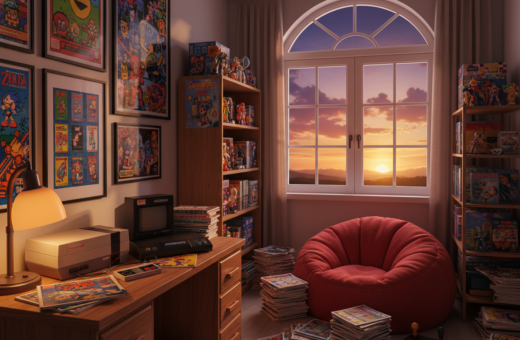
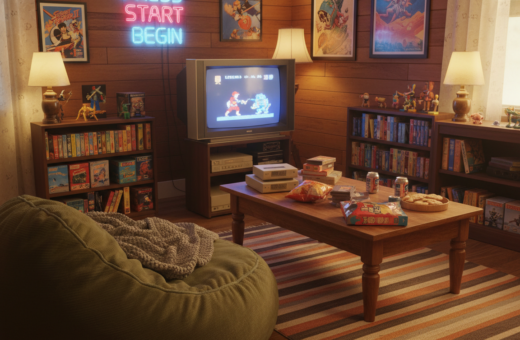
Designing a nostalgic basement game room can turn a simple area of the house into a lively entertainment place. They craft a space that invites family enjoy and brings back the pulse of vintage video cabinets and neon lighting.
With careful selection of furniture, carpet, and floor finishes, a homeowner can create a polished theater-like feel. Thoughtful seating and table arrangements make game nights easy and comfortable for guests of all ages.
Integrating classic games with modern systems gives the design both authenticity and versatility. Proper ceiling treatments and focused light enhance the theme and keep the energy of the 80s and 90s alive.
This introduction previews 24 classic layout ideas that balance vintage style with today’s comforts. It guides choices for lighting, wood accents, pool or golf add-ons, and practical project steps to build a space that feels like a true family hangout.
Assessing the Potential of Your Basement Space
Start by measuring the footprint and ceiling height to see which activities will fit without crowding the space.
Check structural readiness: an unfinished basement needs evaluation for moisture, floor level, and load capacity before adding a pool table or golf simulator.
- Confirm finished basement surfaces are sealed against water and that walls and floor have no active leaks.
- Measure clearance for a full-size pool table, seating, and clear walkways for family games.
- Assess ceiling height for tall cabinets or overhead lighting systems that set the theme and theater feel.
- Consider whether a dedicated bar area, movie zone, or lounge suits the layout of your house.
“Proper planning saves time and budget when converting a lower level into a lasting entertainment area.”
With 24 basement game room ideas available, this initial assessment guides the next phase of the project so the space supports pool table play, gaming systems, and comfortable seating.
Essential Technical Requirements for an Arcade Basement Room
Confirming power limits and load paths up front helps the project run smoothly and safely. This short technical check keeps the space reliable and prevents surprises during installation.
Power Capacity and Electrical Needs
Verify the home’s electrical panel and circuit capacity before adding multiple consoles, cabinets, or a theater system. They should account for peak loads from lighting, gaming systems, and a mini bar fridge.
- Install dedicated circuits for high-draw devices.
- Use surge protection and whole-area GFCI where water or carpet meets electronics.
- Plan outlets for seating and table zones to avoid extension cords.
Structural Integrity and Safety Considerations
Inspect floor load limits if placing heavy items like a pool table or a bar. Reinforce joists or add pads for concentrated loads.
Proactive moisture control protects walls, ceiling, and expensive gaming electronics. A moisture plan reduces long-term repair costs.
- Check for water intrusion and address unfinished basement issues first.
- Perform a safety walk to identify hazards similar to how a mission would scan for threats.
Selecting a Retro Theme for Your Game Zone
A strong retro identity ties furniture, lighting, and games into a single, memorable space.
Start by choosing a decade or visual cue to guide color, wall art, and carpet choices. A consistent theme helps group gaming consoles, table setups, and seating so the area reads as intentional.
Classic Arcade Aesthetics
Iconic elements like neon LED lighting and wood panel accents recreate that nostalgic vibe without overwhelming the house. Use bold color blocks on one wall and muted tones elsewhere to balance energy and comfort.
- Walls: pick poster art or painted murals that reflect classic video and pinball imagery.
- Floor and carpet: combine durable carpet pads with a vinyl game zone for easy cleaning and water resistance near a small bar or fridge.
- Ceiling and lighting: install focused lighting over the table and softer LED strips along walkways for atmosphere.
“A coherent theme keeps games and seating feeling cohesive rather than a mix of unrelated pieces.”
Strategic Layout Planning for Different Basement Sizes
Good layout planning balances playable zones with clear pathways so every game and piece of furniture fits comfortably.
Small Space Optimization
In tight areas, vertical storage on walls frees floor and carpet space for seating and a compact table. Use wall-mounted racks for controllers, cues, and accessories to avoid floor clutter.
Choose slim seating and foldable tables to expand the area for movie nights or quick game sessions. Keep traffic flow clear so guests move easily between the theater area and gaming system.
Large Basement Zoning
For a bigger lower level, define distinct zones: a pool table area, a golf simulator bay, a bar, and a lounge. Position heavier pieces like a pool table on reinforced floor pads.
Use rugs, light changes, and partial walls to separate zones while keeping sightlines open across the space.
Multi-Purpose Furniture
Select modular sofas, storage ottomans, and convertible tables that serve multiple uses. This approach maximizes usable area and keeps the project flexible as family needs change.
For more layout ideas, consult the ultimate game room ideas guide.
Lighting and Furniture to Enhance the Arcade Vibe
Smart light design paired with resilient seating creates a flexible area for video games, pool, and movie nights. LED lighting along the ceiling and backlit shelves helps define zones and highlights wall art without glare.
Choose durable furniture with easy-clean fabric and solid wood frames so the space stays stylish and functional. A compact seating area with modular sofas and a small table keeps sightlines clear to the pool table or golf simulator.
Lighting control adds versatility: dimmable overheads for theater mode, focused fixtures for competitive play, and color-tuned LED strips for a nostalgic glow.
- Highlight walls: use uplights or picture lights to show posters and murals.
- Define floor zones: rugs or vinyl mats protect carpet under high-traffic game stations.
- Plan outlets: place plugs near seating and tables to avoid cords across the floor.
With balanced lighting and the right furniture, the basement game room feels both energetic and comfortable for family fun and movie nights.
Proactive Maintenance and Moisture Control
Simple, regular checks can stop moisture problems before they harm games, carpet, or wood tables.
Moisture control is the top priority in any finished basement. Water can ruin walls, warp a table, and rot wood supports fast.
They should inspect foundation drains, gutters, and grading so water diverts away from the house. Prompt fixes prevent seepage into the floor and wall cavities.
Keeping the game space clean and dry also blocks mold that damages seating and sensitive electronics. Use dehumidifiers and monitor humidity levels seasonally.
- Monthly walk-through: look for stains, damp spots, and musty smells near walls and carpet.
- Quarterly tasks: test sump pumps, clear downspouts, and reseal vulnerable wall joints.
- Annual check: have a pro inspect the unfinished basement areas and confirm the finished sections stay water-tight.
“Routine care preserves your investment and keeps games playable for years.”
Conclusion
A well-planned entertainment space brings years of shared memories and regular game nights to the whole family.
, By following practical steps for lighting, furniture, and moisture control, a homeowner can craft a lasting place that blends classic arcade style with modern comforts.
Adding Skee-Ball or similar home arcade games delivers timeless fun for all ages. Proper layout keeps traffic clear, protects carpet and floor finishes, and highlights walls and wall art.
Start with a simple plan, invest in durable seating and wood accents, and schedule routine checks for water issues. The result is a high-value area in the house that invites family enjoy and long evenings of games and movie nights.