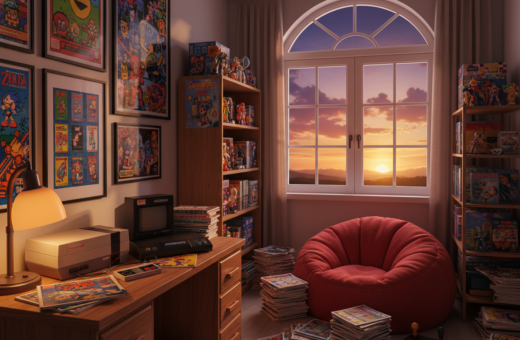
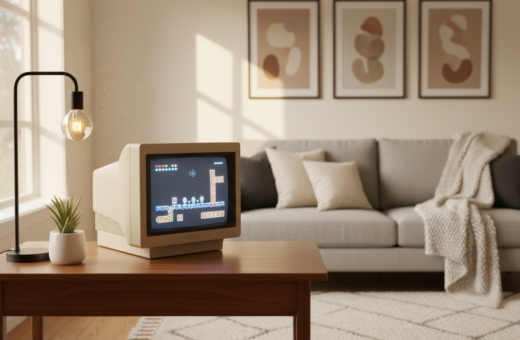
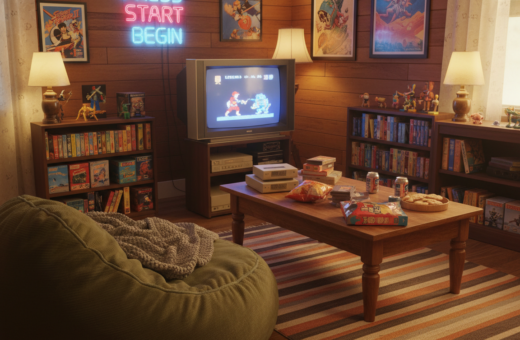
Designers balance past and present to craft a classic, livable spot. They mix retro gaming pieces with modern finishes so the space appears fresh, not dated. This approach keeps function and form in sync.
October 2025 Pinterest trends show a surge in vintage arcade interest and classic consoles on display. That demand drives many of today’s top gaming room ideas.
A successful setup prioritizes atmosphere. Thoughtful lighting, layered textures, and curated memorabilia build a warm, authentic feel without clutter.
They use neon accents and bold colors to nod to the 1980s and 1990s while keeping furniture simple. The best layouts leave room for play, storage, and social moments.
Designing a Nostalgic Gaming Room
Function should guide the aesthetic when building a retro-inspired area for consoles and arcades. Start with how people will use the space, then add era cues that support comfort and play.
Balancing Modern Functionality
Prioritize ergonomics. Choose furniture that supports long sessions—adjustable chairs, arcade-style stools, or supportive bean bags. Good seating reduces fatigue while keeping a classic look.
Manage tech cleanly. Cable management and mixing modern displays with vintage console hardware keep systems ready for play. Smart lighting systems can mimic warm incandescent tones and enhance the atmosphere.
Selecting a Retro Theme
Pick an era first: mid-1980s 8-bit arcades or 16-bit console decades. That focus makes color, neon, and decor choices clearer.
- Mix vintage console pieces with current displays for crisp visuals.
- Use bold colors and targeted neon accents to reference the era without overwhelming the space.
- Keep storage accessible so collectibles and game cartridges are both shown and protected.
Tip: Test lighting scenes and seating before finalizing layout. Small tweaks to colors and angles dramatically affect mood and playability.
Creating an Authentic Arcade Basement
An authentic arcade basement begins with the right cabinet lineup and a clear traffic plan. Place classics such as Pac-Man, Galaga, and Street Fighter along walls to open the floor for multiplayer play. This arrangement preserves arcade vibes and keeps sightlines tidy.
Dark wall colors make neon signs pop and add drama. Combine concrete flooring and industrial ceiling elements so the space echoes like a golden age arcade hall.
- Install warm overhead lighting to create pockets of play and highlight industrial features.
- Add vintage popcorn machines and soda displays for sensory detail tied to 1985 arcade culture.
- Choose sturdy stools and low-profile furniture that match posters and console displays.
Every choice should reference gaming history while staying functional. With careful layout, lighting, and curated props, a basement can feel like a classic arcade and a livable entertainment space.
Neon Lighting and Futuristic Ambiance
Smart lighting is a fast way to update an older style into something lively and modern. It gives the space energy and helps define zones for play, display, and socializing.
Strategic Use of Smart Lighting
Smart systems allow colors like hot pink, electric blue, and bright green to pulse with gameplay. LED strips behind monitors create a cinematic glow that mimics cyberpunk scenes without overwhelming wall art or furniture.
Custom neon signs—think the Konami Code or pixelated hearts—work as focal points. Place them to reflect on glossy surfaces for dramatic arcade vibes and to highlight classic arcade cabinets or consoles.
- Sync lights with gameplay to enhance gaming sessions and add real-time feedback.
- Use targeted accents rather than full RGB saturation for a refined retro-futuristic look.
- Choose fixtures that complement vintage pieces while delivering modern control.
With careful placement and restraint, neon signs and smart lighting create an authentic arcade atmosphere. The result feels both vintage and technologically advanced, making the space ready for long play and display.
Curating a Vintage Console Museum
A museum-style layout frames each vintage console as a piece of technological art. Curators often start by placing key systems—Atari 2600, NES, SNES, Sega Genesis, Sega Saturn, PlayStation 1, and Nintendo 64—on floating shelves grouped by era or manufacturer.
Glass cases and LED spotlights protect cartridges and original packaging while giving the display a polished, museum-quality finish. Controllers sit beside consoles to show how player input evolved.
- Organization: Arrange consoles chronologically to tell gaming history and highlight technical milestones.
- Protection: Use glass displays for rare items and soft lighting to prevent fading.
- Anchor pieces: Include a few arcade cabinets to link home consoles with public arcade culture.
Thoughtful lighting, restrained colors, and quality furniture transform a collection into a space that celebrates vintage gaming and the consoles that shaped play.
Incorporating Retro Diner Aesthetics
A diner palette can turn a play area into a lively social hub that nods to 1950s Americana. Red vinyl booths and black-and-white checkered floors set a clear visual theme while keeping the layout practical for play and display.
Chrome trim, pendant lighting, and high-top stools bridge era cues and modern comfort. Designers add custom counters so guests have a place to sit during extended gaming sessions without blocking traffic in gaming zones.
Neon signs—like a “GAME ON” display—link 1950s diner style to 1980s arcade culture. Wall-mounted CRTs above the counter keep retro gaming and classic consoles visible as focal points.
- Seating: Red vinyl booths plus high stools offer comfortable seating for long play and socializing.
- Finish: Chrome accents and glossy counters reflect neon and create contrast with modern displays.
- Lighting: Pendant fixtures provide a warm atmosphere that encourages conversation and extended gaming.
Blending these elements creates a vintage yet functional space. The result is a welcoming set of gaming room ideas that supports long sessions, display, and social play without feeling dated.
Building a Multi-System CRT Battlestation
Stacking period televisions in a pyramid creates a visual centerpiece and practical hub. A six-CRT formation lets players run an Atari 2600, Sega Genesis, and other vintage consoles at once. This arrangement honors gaming history while keeping each unit accessible.
Optimizing Cable Management
Good cable routing makes the setup safe and tidy. Use labeled bundles, velcro straps, and concealed trunking to keep power and AV cords neat.
Color-code connections by system to speed swaps during extended gaming sessions. Shelf-mounted power strips and surge protection reduce clutter and protect vintage hardware.
Preserving Authentic Display Quality
Maintain period-appropriate hardware for the warm glow and slight curvature that flat panels cannot match. Properly adjusted CRTs reproduce vibrant colors and startup flicker that define a classic game experience.
Calibrate each television for brightness and color, and service caps or connectors as needed. A dedicated area for these consoles turns the space into a command center for serious retro play and display.
For inspiration on full setups and layout tips, check curated lists of top retro ideas at top retro setups.
Embracing Retro-Futurism in Gaming Spaces
Retro-futurism borrows 1960s sci‑fi flair to make a play area feel like a mid‑century prophecy of tomorrow. It uses bold silhouettes and playful details to merge past visions of the future with modern function.
Designers pull cues from The Jetsons and Star Trek to pick a palette. Orange, turquoise, and white pair well with circular tables and angled shelving.
To keep the space open, they carve out distinct gaming zones that flow without doors. This layout supports consoles, seating, and display without breaking the atmosphere.
- Furniture: Bubble chairs and tapered‑leg credenzas add authentic vintage charm.
- Lighting: Atomic‑age pendants cast a soft, futuristic glow that complements neon signs.
- Details: Starburst floors and floating shelves reinforce the golden age set design.
By blending classic arcade vibes with space‑age accents, a retro gaming room can feel cinematic and livable.
Utilizing Pixelated Wall Art for Visual Impact
Bold pixel murals anchor a space and instantly tell a visual story. Murals of Super Mario, Sonic, or Mega Man give a retro gaming room clear identity and strong visual impact.
Hand-painted pixel scenes recall simpler times and the 8-bit or 16-bit era. They pair well with displayed consoles and vintage gaming posters to create a curated gallery feel.
Many collectors add limited edition action figures and framed prints to deepen the aesthetic. Geometric, blocky furniture and targeted neon accents extend the pixel look across the floor plan.
Comfort matters: place comfortable seating so guests can admire murals during long or extended gaming sessions. Thoughtful lighting highlights art without washing out colors.
- Mix murals with vintage posters for a balanced display.
- Use display shelves for limited edition collectibles and action figures.
- Match furniture shapes and colors to the pixel palette for cohesion.
When executed well, pixel wall art turns a standard gaming room into a lively gallery that celebrates classic game history while staying practical for play and socializing.
Showcasing Gaming Memorabilia and Collectibles
Clear groupings and consistent lighting let each artifact speak to the history it represents.
Organize by franchise or era to create a clean, museum-quality display. Group NES, Sega Genesis and similar consoles on shared shelves so the layout tells a chronological story of gaming history.
Use shadow boxes for limited edition pieces and action figures. These protect small items while keeping them visible for real visual impact.
Install LED spotlights for each shelf and add UV blacklights with phosphorescent decals. Glow-in-the-dark pixel art and subtle neon accents stand out against dark walls and boost arcade vibes.
- Group by era or franchise for a clear narrative of the golden age of play.
- Highlight featuring iconic consoles and rare cartridges with targeted lighting.
- Balance display with functional furniture so the collection invites conversation and shared memories.
Conclusion
Finishing touches—lighting, seating, and curated collectibles—turn ideas into a lasting environment.
Designing a retro gaming room is a rewarding project that blends personal history with modern design. Thoughtful choices—vintage consoles, targeted neon, and practical storage—help a space celebrate the golden age gaming era while staying comfortable.
Good gaming room ideas focus on balance. They pair authenticity with ergonomics so play and display work together. These dedicated areas bridge simpler times and the present, giving friends and family a place to relive great game moments.
With the right mix of light, furniture, and curated pieces, any room can become a unique tribute to gaming history and a space that truly celebrates play.