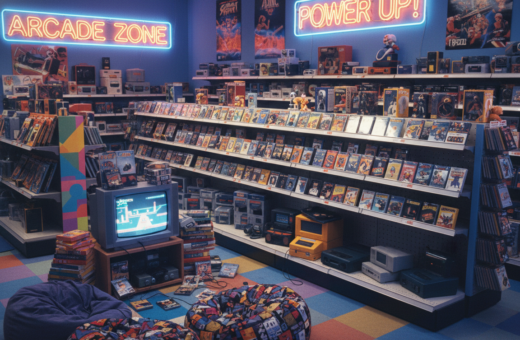
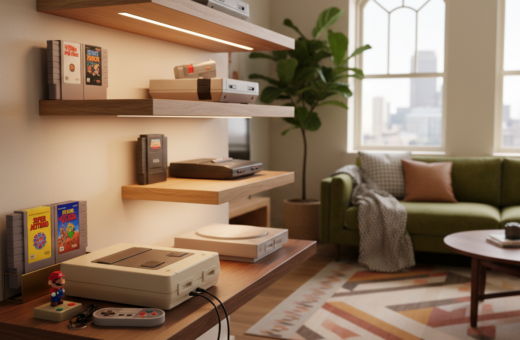
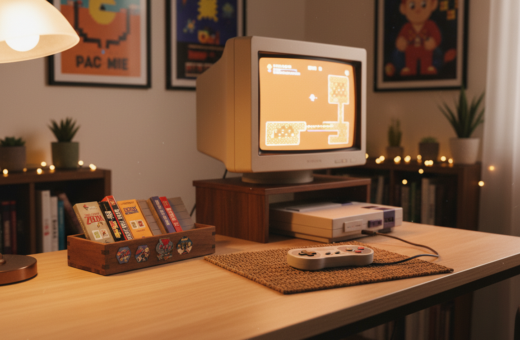
Collectors now have tools to present rare hardware with museum-grade flair. Thoughtful lighting and modern video systems can turn a simple shelf into a curated focal point.
Using smart strips and products like Philips Hue or Nanoleaf, a collector can set tones that match each item’s era. This approach preserves the item’s charm while adding a clear, modern twist.
Advanced led video processors help keep color and motion smooth for both small rooms and larger areas. Careful planning ensures that every screen and light pairing supports the piece instead of stealing attention.
Whether for a private collection or a launch event, these techniques bring focus to rare accessories and create an immersive viewing experience. The result is a stylish, respectful tribute to gaming history that fits contemporary home applications.
– Use smart lighting and video processing to highlight rare hardware.
– Match tone and motion so the piece remains the focal point.
– Scale setups for rooms or events with consistent color and motion handling.
The Evolution of Modern Console LED Display Aesthetics
The history of modern visual systems traces back to 1962 when Nick Holonyak created the first practical light-emitting diode at General Electric. By the late 1960s, Hewlett-Packard’s Model 5082-7000 pushed digital modules into mainstream electronics and changed how people used small electronic readouts.
Mark Fisher’s work on the 1997 U2 PopMart Tour proved that large-scale video walls could become art. That production used roughly 150,000 pixels to form giant images and set a new standard for live event visuals.
Today, modern led video systems have evolved from single-color indicators to high-fidelity, production-ready displays. Collectors and designers now adapt those techniques to build custom walls that echo concert-grade setups.
- Early milestones show technical progress and design intent.
- Video walls from touring shows inspired large-format creative work.
- Current displays offer precise color, motion, and scale control.
- This evolution helps match nostalgic pieces with modern visual standards.
Selecting the Right Lighting Components for Rare Hardware
A smart parts plan balances visual impact with the power limits of vintage gear. Collectors should pick components that protect fragile items while delivering crisp, museum-style presentation.
Choosing Between RGB and Addressable Strips
RGB strips offer simple color control and lower cost. They work well for subtle backlighting and fixed color scenes.
Addressable strips give pixel-level control for motion and patterns. Use them when the video content or animated effects matter.
Understanding Pixel Pitch for Small Displays
Pixel pitch determines clarity at close viewing distances. For small screens and shelves, a tighter pitch yields sharper images.
James P. Mitchell’s 1977 flat panel work paved the way for modern formats. Today, tools like the Planar LED Video Wall Calculator help choose the right format and scale.
- Power: Match strip amperage to safe power supplies to avoid stress on vintage hardware.
- Format: Plan layout and module size for intended video applications and viewing distance.
- Longevity: Invest in high-quality components so the setup remains stable for years.
Mastering Color Balance and Brightness Control
Controlled color temperature and gradual dimming help rare items look their best under any room light. Proper color management ensures that lighting complements the original finish instead of washing out details.
Start by calibrating your video sources and led strips to a neutral white point. Then adjust hue in small steps until metals, plastics, and decals appear natural. Keep changes subtle; small shifts can alter perceived authenticity.
Precise brightness control protects finishes and reduces heat stress. Monitor power draw and set maximum output below component limits to extend life. A single control interface simplifies tuning and keeps color consistent across multiple shelves.
- Use video calibration tools for accurate color matching.
- Set screen and strip output to preserve texture and patina.
- Limit power peaks to protect both electronics and collectibles.
When done well, these steps create a museum-quality presentation. Fine-tuning brightness to ambient light yields a seamless, professional result that highlights the collection without stealing focus.
Integrating Professional Signal Processing for Dynamic Effects
Professional signal processing transforms simple shelf lighting into coordinated, production-grade scenes. It ties video sources, color correction, and power management into a single workflow so that effects feel intentional.
Utilizing Video Controllers for Scene Switching
High-end video controllers enable seamless scene switching with one command. Collectors can trigger presets to change mood, motion, and content across multiple displays.
These systems scale formats and route sources so a single input can feed several walls without manual reconfiguration.
Managing Refresh Rates for Flicker-Free Viewing
Stable refresh rates are vital for long-term viewing and archival applications. Properly matched timing prevents flicker and reduces strain on screens and cameras.
Set refresh and frame rates to the lowest common denominator supported by all elements to maintain smooth motion during extended operation.
Implementing Picture-in-Picture Overlays
Picture-in-picture lets a main feed run while smaller windows show game footage, specs, or provenance. This is useful on larger video walls and multi-panel setups.
- Scale formats precisely so overlays remain sharp and readable.
- Use advanced color processing to match branding and era-accurate tones.
- Design power budgets into the controller to protect rare electronics.
Production-grade signal chains provide the reliability needed for complex lighting applications in a home collection. When combined, these tools make dynamic walls that change by game, era, or event—while protecting sensitive hardware and preserving authentic color.
Strategic Placement for Maximum Visual Impact
Thoughtful placement of backlights turns flat shelving into layered scenes with clear visual depth. Small shifts in angle create highlights and soft shadows that define form without causing glare on any screen or badge.
Creating Depth with Indirect Lighting
Indirect lighting is ideal for showing contours. It skims surfaces and reveals texture while keeping reflections low. This technique echoes large-scale solutions—remember the 1,500-foot Fremont Street Experience—scaled to the home.
Use a separate video source or video walls as a backdrop to set scale and mood. Place the led video source so illumination spreads evenly and avoids hotspots.
- Hide power and cable runs for a clean, museum look.
- Match color temperature to emphasize plastics, metals, and patina.
- Adjust placement so every angle of the rare item reads clearly to viewers.
For a practical guide, viewers can explore a trade-show primer on professional setups via this trade-show lighting overview.
Safety and Power Management for Delicate Collectibles
Prioritizing safety when fitting lights near fragile collectibles prevents costly heat and electrical damage. Installations should begin with a risk assessment of heat, wiring, and nearby finishes.
Use a centralized control system to monitor brightness and surface temperature in real time. This lets the collector dial back output before heat affects a piece.
Plan power distribution so led video components draw within rated limits. Balance circuits, use dedicated power supplies, and label runs to avoid overloads.
Choose high-quality connectors and surge protection to reduce failure risk near valuable items. Regular maintenance catches failing modules and loose wiring early.
- Monitor: brightness and temperature with a single dashboard.
- Protect: with surge guards and proper fusing.
- Maintain: schedule checks for power supplies and cabling.
Smart power solutions and advanced control keep systems running at safe levels, so collectors can showcase rare pieces with confidence.
Conclusion
Integrating smart control, precise color, and safe power creates gallery-level results for any collection. Collectors gain new tools from the evolution of the led display to craft scenes that honor provenance while adding modern polish.
By mastering lighting, signal processing, and placement, an enthusiast can present rare pieces as intentional works of art. Safety and power management remain central to long-term care and consistent performance.
Investing time in setup pays off: customization options now let each installation feel unique and accessible. For deeper control workflows and centralized programming ideas, explore professional lighting consoles. Proper planning preserves value and ensures the led display looks its absolute best for years.